
Information for Plotholders.
This page explains how Trustees of the Walton Horticultural Society are elected, in line with the Society’s constitution.
The process applies whenever Trustee roles become vacant, whether through the end of a term, resignation, or other circumstances.
To access information, simply click the + sign next to the title of interest which will expand the area so you can review.
Trustee Election Process
-
Trustee elections normally take place at:
the Annual General Meeting (AGM), or
an Extraordinary General Meeting (EGM), where required
The number of Trustee roles to be filled may vary depending on circumstances at the time.
-
To stand as a Trustee, you must:
be a current plot holder of the Walton Horticultural Society
be aged 18 or over
Trustee roles are open to all eligible members. Previous committee or trustee experience is not required.
-
Trustees are responsible for the overall governance of the Society. This includes:
acting in the best interests of the Society
overseeing the management of the allotment site
ensuring the Society operates in line with its lease and constitution
supporting the committee in decision-making
attending meetings as required
Trustees work collectively and share responsibility for the role.
-
When Trustee positions become available, the following process will normally be followed:
Notification to members
Members will be informed that Trustee positions are available and that an election will take place.Expressions of interest
Eligible members will be invited to express interest in standing as a Trustee. This may include providing a short statement.Election meeting
An AGM or EGM will be held where Trustees are elected by members.Voting
Voting may take place in person at the meeting and/or electronically in advance of the meeting, in line with the Society’s constitution.Confirmation of outcome
The outcome of the election will be confirmed at the meeting and recorded in the minutes.
-
Outgoing Trustees will support an appropriate handover to newly elected Trustees. This may include:
access to relevant documents and records
background information on current arrangements
guidance on roles and responsibilities
signposting to external support where appropriate
New Trustees are not expected to take on all responsibilities immediately or work in isolation.
-
Members will be kept informed of relevant dates, nomination deadlines, and voting arrangements when an election is taking place.
If you have questions about the Trustee role or election process, please contact the Society using the details provided.
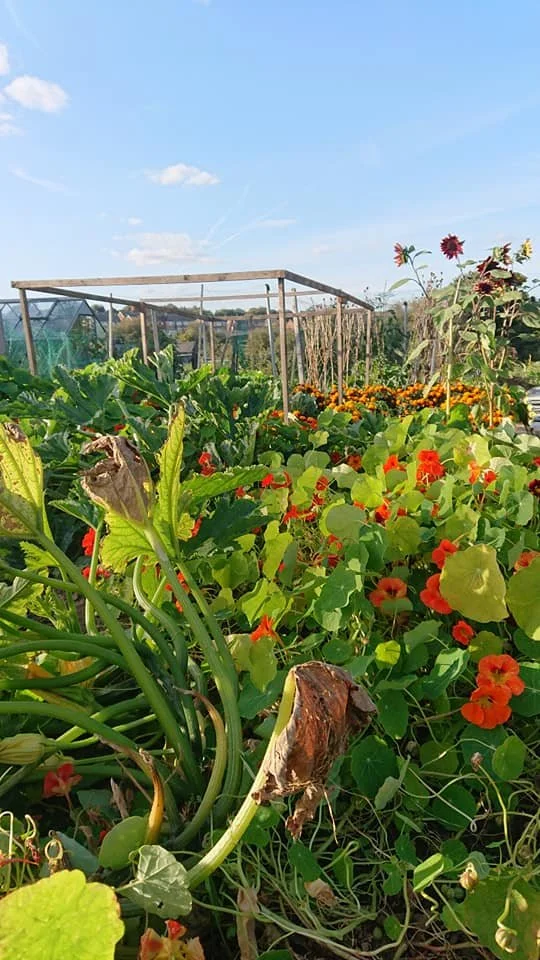
The people and responsibilities behind the role.
The role of a Trustee can be a rewarding experience. Working with people is a significant part of the role, and it involves listening to different viewpoints while balancing the needs of the Society as a whole.

Trustees are required to act fairly and neutrally, following agreed procedures and managing risk to ensure the allotments remain a safe, well-run, and welcoming space for all members.

As with any community, there are a wide range of personalities and perspectives to consider. Trustees work collectively to navigate these differences in a respectful and balanced way.-
The Chairperson is responsible for providing overall oversight of the Walton Horticultural Society and for ensuring that the Society is run in line with its constitution and lease obligations.
Key responsibilities include:
Chairing committee meetings and the AGM or EGM
Supporting the committee to work effectively and fairly
Ensuring agendas are prepared and meetings are conducted appropriately
Acting as a point of contact for general enquiries about the allotments
Working with the other Trustees to ensure the site is managed responsibly and in the best interests of the Society
The Chairperson does not act alone and does not make unilateral decisions. The role is focused on coordination, fairness, and good governance.
-
The Secretary is responsible for the administration and record-keeping of the Society.
Key responsibilities include:
Organising committee meetings, the AGM and any EGMs
Preparing and circulating agendas in conjunction with the Chairperson
Taking and distributing minutes of meetings
Maintaining records of decisions and key documents
Managing the waiting list for plots
Maintaining members’ contact details in line with data protection requirements
Issuing formal communications and notices to members as required
Maintaining the Society website
The Secretary helps ensure transparency, continuity, and clear communication within the Society.
-
The Treasurer is responsible for overseeing the Society’s finances and ensuring that financial records are accurate and transparent.
Key responsibilities include:
Collecting annual rents and other agreed fees
Managing the Society’s bank account
Recording income and expenditure
Producing quarterly financial updates if required and annual financial reports for the AGM
Arranging payment to the landowner in line with lease requirements
Ensuring financial records are available for audit and inspection as required
Working with other Trustees to ensure financial decisions are made responsibly
Financial transactions are subject to appropriate checks and countersignature, and the Treasurer does not act independently of the Trustee group.